


Agape vs Paired: Which One Actually Helps Couples Feel Closer in 2026?
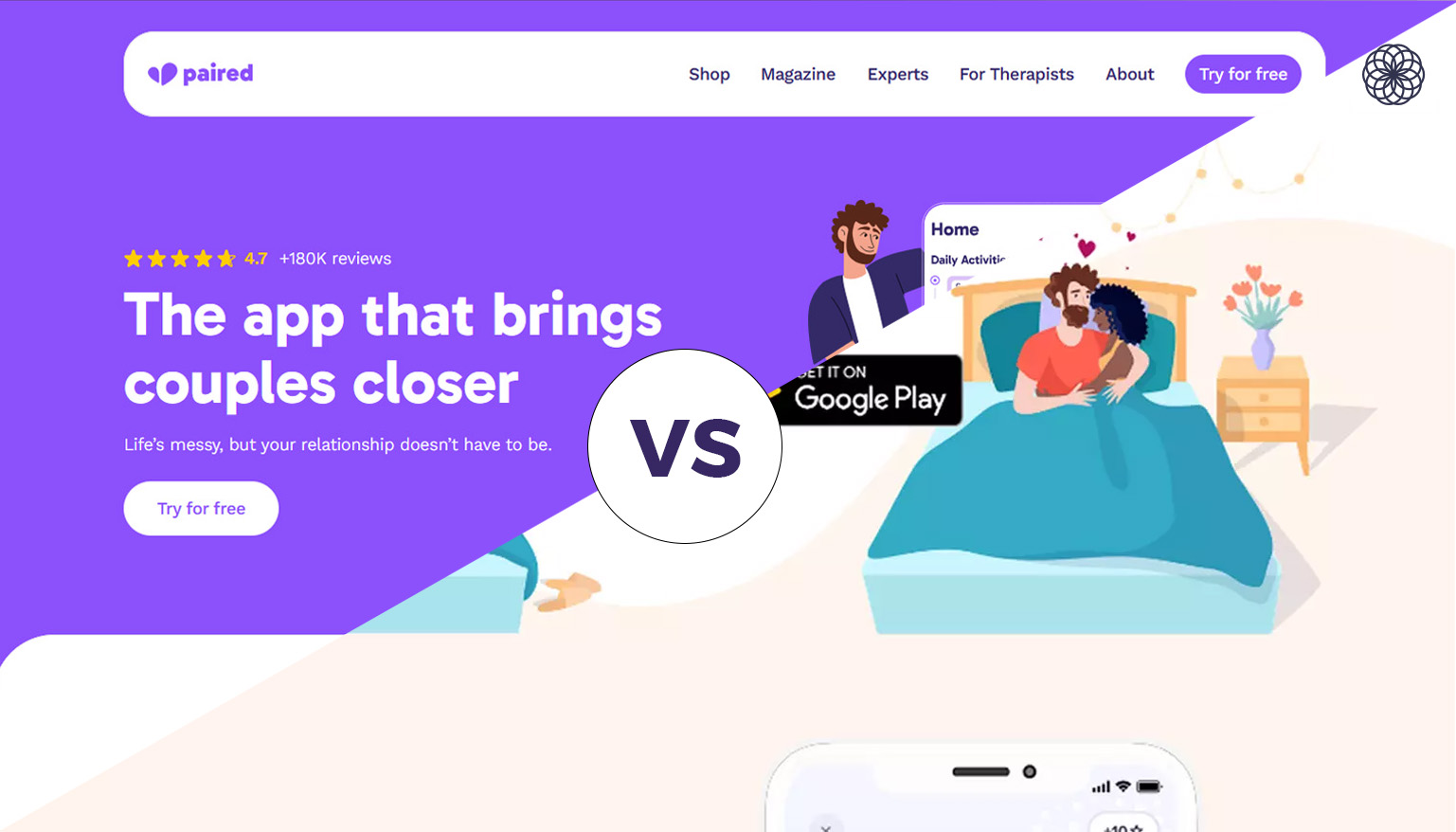
Every couple hits the same wall eventually: you’re not fighting, you’re not falling apart, you’re just… busy. Work, errands, scrolling in separate rooms. That’s the gap most relationship apps are built to close, and two names keep coming up when men start researching this space — Agape and Paired. Both promise more connection. Neither works the same way.When couples search paired vs agape, they’re usually trying to figure out which habit will actually survive a busy week.
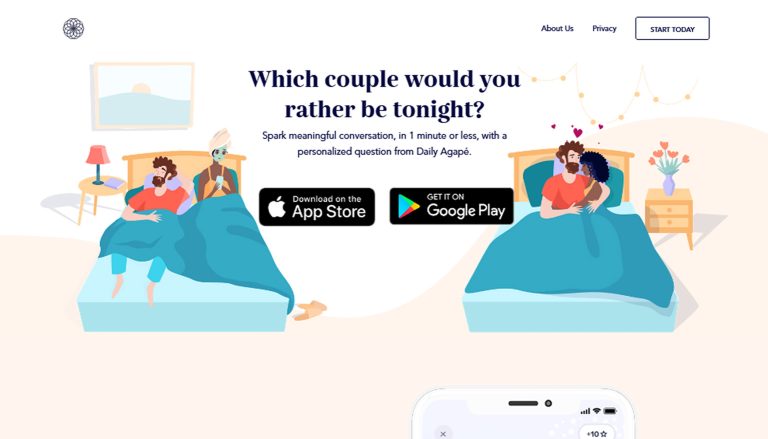
Agape leans into short, low-effort conversation. You answer a daily question, your partner answers hers, and you compare notes. Paired goes further — daily prompts plus quizzes, games, and structured content built around specific relationship skills. This isn’t just a features comparison. It’s a look at which app couples actually keep opening a month from now, because that’s the only metric that matters. If you’ve searched agape vs paired and gotten nothing but surface-level lists, here’s the version that actually helps you decide.
Agape vs Paired: Quick Answer — Which App Is Better?
If you don’t have time for the full breakdown, here’s the short version.
 |
 |
|
| Core approach | One daily question, simple reveal | Daily questions plus quizzes, games, courses |
| Best overall use case | Couples who want something light and habitual | Couples who want structured growth work |
| Ease of getting started | Extremely fast, almost no learning curve | Slightly more setup, more to explore |
| Content depth | Shallow but consistent | Deep, with expert-led material |
| Overall verdict | Best for daily connection, not deep work | Best for couples actively building skills |
Choose Agape if: you want a 60-second daily habit that doesn’t feel like homework.
Choose Paired if: you and your partner are ready to put real time into structured relationship-building content.
Apps for Couples: Why Agape and Paired Take Different Approaches
Not all apps for couples are solving the same problem, even when they look similar from the App Store screenshots. Some are built around small, recurring moments — a question a day, a quick check-in, nothing that requires a plan. Others are built as structured tools, closer to a workbook than a habit tracker, where you’re actively working through topics like conflict, intimacy, or communication over weeks.
Agape sits closer to the first camp. The agape app is designed to be fast and frictionless — the kind of thing you do while waiting for coffee to brew.It’s designed to be fast and frictionless — the kind of thing you do while waiting for coffee to brew. Paired sits closer to the second. It has courses, guided exercises, and content clearly built with input from relationship professionals.
Here’s the part most comparisons skip: counting features tells you almost nothing about which app will actually stick. A longer feature list looks impressive in a review, but if it takes five extra taps to get to the good stuff, most couples quietly stop opening the app within a few weeks. What matters is fit — does the format match how you and your partner actually want to spend those few minutes together.
Agape App vs Paired: How Each One Works
Before comparing quality, it helps to understand the actual mechanics of each product — what happens when you open the app for the first time.
Agape App: How the Experience Works
Setting up Agape is simple: create an account, then connect with your partner through an invite. Once you’re linked, you both receive a single question each day, pulled from categories like connection, gratitude, playful, and — depending on how you’ve set preferences — a bit spicier. You answer privately, and once both of you have responded, the answers reveal to each other simultaneously. That reveal mechanic is the emotional core of the product; you can’t peek at your partner’s answer before submitting your own, which keeps responses honest instead of copied.
Questions are lightly personalized based on how you answer over time, and Agape recently expanded beyond romantic pairs — you can now add friends or family members and get separate, relationship-specific questions for each connection, something most apps like Paired don’t currently offer.
Paired: How the Experience Works
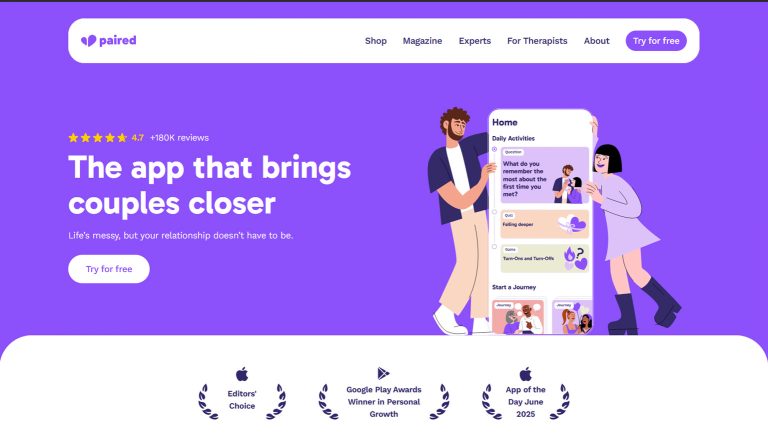
Paired starts the same way — you connect with your partner as a linked pair — but the daily question is just the entry point, not the whole product. Beyond that, you’ll find quizzes on compatibility and personality, relationship games meant to be played together, and short guided exercises tied to specific themes like trust, intimacy, or communication styles. A lot of the deeper material is presented as expert-created courses, built with input from therapists and relationship coaches, organized into “journeys” you move through at your own pace. Navigation happens through a home feed that surfaces today’s question alongside suggested quizzes or courses based on what you haven’t tried yet, so there’s more browsing involved than with a single daily prompt.
Paired vs Agape: The Features That Actually Separate Them
| Feature | Agape | Paired |
| Daily questions | Yes | Yes |
| Personalized prompts | Yes, light personalization | Yes, by topic/pack |
| Answer-reveal mechanic | Yes | Yes |
| Quizzes | No | Yes |
| Games | No | Yes |
| Expert-created content | Limited | Yes, courses with therapists/coaches |
| Guided exercises | No | Yes |
| Relationship topics | Broad but shallow | Deep, topic-specific packs |
| Intimacy content | Occasional, in question rotation | Dedicated packs |
| Memories/shared content | Yes, photo memories | Yes, relationship timeline |
| Multiple relationship connections | Yes (friends/family) | No, romantic pairs only |
Three differences matter more than the rest of the row-by-row list.
Conversation vs Guided Relationship Work
Agape is built almost entirely around sparking conversation — the app gets out of the way once the question lands. Paired treats conversation as one entry point among several, layering in structured content meant to actively teach or practice a skill, not just talk about it.
Simplicity vs Content Variety
Agape offers one clear action per day, which is exactly the point — no decision fatigue, no browsing. Paired offers a much larger library, which means more to explore, but also more surface area you might never touch if you’re only using the free daily question.
Personal Discovery vs Relationship Education
With Agape, most of the value comes from learning things about your partner you didn’t already know. With Paired, a meaningful chunk of the content is closer to relationship education — frameworks and exercises meant to change how you communicate, not just reveal new information.
Agape Relationship Experience vs Paired: Which One Will You Actually Keep Using?
This is the question that actually determines whether either app is worth downloading. Agape’s value shows up almost immediately — one question, thirty seconds each, done. It fits into a commute, a lunch break, the five minutes before bed. Paired takes longer to feel worthwhile because the daily question alone is thin; the real payoff comes once you start a course or quiz, which requires more intentional time.
Miss a few days on Agape and you barely notice — you just answer today’s question and move on, no backlog. Miss a few days on Paired and unfinished courses or streaks can start to feel like an obligation, which is where notification fatigue creeps in. Repetition is a real risk for both apps eventually, but Agape’s questions rotate through fewer formats, so couples who use it daily for months sometimes notice the well running a little shallow. Paired’s larger content library delays that feeling but doesn’t eliminate it.
The honest distinction: Agape feels casual, almost like a shared ritual. Paired can feel like relationship homework if you’re not in the mood for it — which isn’t a knock, it’s just a different emotional register, and one partner needs to actually want that register for it to land.
What If Only One Partner Is Interested?
Both partners don’t need to be equally excited on day one, but someone dragging their feet every single day is a bad sign for either app. Agape is the easier sell to a skeptical partner — “just answer one question, it takes thirty seconds” is a low bar. Paired is harder to introduce cold, since courses and structured exercises can feel like being handed an assignment, especially to someone who didn’t ask for one.
Forcing participation defeats the purpose of either product. A relationship app is supposed to lower friction, not add a new source of resentment. And here’s the part worth remembering through this entire comparison: more features do not matter if a couple stops opening the app. A simpler tool used daily beats a richer one abandoned after two weeks, every time.
Agape App Reviews vs Paired Reviews: What Real Users Say
Pulled from App Store, Google Play, and independent write-ups, agape app reviews and Paired reviews show similar patterns fast on both sides.
What Agape Users Praise and Criticize
Praise centers on how low-effort the app is — reviewers frequently mention that it’s the rare app that survives a busy week because it asks so little. The reveal mechanic gets specific credit for making answers feel genuine rather than performative. Criticism clusters around repetition after several months of daily use, and some users note that free-tier question variety runs thin faster than they’d like, pushing them toward premium sooner than expected.
What Paired Users Praise and Criticize
Users consistently highlight the expert-backed courses as the standout feature — several reviews specifically call out feeling like they got real, usable communication tools rather than generic prompts. Long-distance couples in particular credit Paired with keeping them emotionally in sync across time zones. On the criticism side, the free tier feels limited fast, since most of what makes Paired distinct — the courses, extended packs, quizzes — sits behind the subscription, and a portion of reviewers describe the interface as busier than they expected from a “simple daily question” app.
Agape vs Paired Pricing: Which Gives Better Value in 2026?
Pricing shapes real-world usage more than most people admit going in.
Agape Free vs Premium
The free version of Agape is genuinely usable on its own: one daily question, unlimited answers in core categories like gratitude and learning, plus a rewards system that unlocks small perks for consistent use. Premium unlocks the full personalized question library and additional categories. There’s no hard paywall blocking the core experience, which makes the free tier enough to fully understand what you’re signing up for before paying anything.
Paired Free vs Premium
Paired’s free tier gives you one new question daily plus a weekly quiz — enough to test the format, not enough to access what makes the product distinct. Premium, running roughly $10–15 a month (with meaningfully cheaper annual plans, often around $6–7/month), unlocks the full question library, courses, games, and themed packs. One subscription covers both partners.
Which Offers Better Value?
If your budget is zero, Agape’s free tier delivers more complete daily value than Paired’s. If you’re willing to pay, Paired’s premium tier delivers noticeably more content per dollar — courses alone can rival the cost of a single therapy session while covering material you’ll revisit repeatedly. For couples who know they’ll actually use structured content, Paired’s annual plan is the better long-term value. For couples who just want a daily nudge, Agape’s free version may be all you ever need.
Agape vs Paired for Different Types of Couples
Agape vs Paired for Long-Distance Couples
Long-distance couples benefit most from consistency, and the agape relationship habit — a low-friction daily question — is easy to sustain across time zones without either partner needing to carve out real time.That said, Paired’s course content on maintaining intimacy across distance adds a layer Agape doesn’t attempt. Recommendation: Agape for the daily anchor, Paired if you want structured tools for the harder stretches.
Agape vs Paired for New Couples
New relationships thrive on discovery, which plays directly to Agape’s strength — light, revealing questions that surface information naturally. Paired’s structured courses can feel premature before you’ve built basic rapport. New couples generally get more immediate value from Agape.
Agape vs Paired for Married and Long-Term Couples
Long-term couples often already know the surface-level facts about each other; what they’re missing is often skill-based — better conflict habits, renewed intimacy, fresh perspective. That’s Paired’s territory. Married and long-term couples typically see more transformation from Paired’s guided content.
Agape vs Paired for Couples Who Want to Improve Communication
This is closer than the other categories. Agape improves communication indirectly, by creating a habit of talking. Paired improves it directly, through courses specifically built around communication frameworks. If communication is the explicit goal, Paired’s targeted content has the edge.
Final Verdict — Agape vs Paired: Which One Actually Helps Couples Feel Closer?
Neither app is objectively better — they’re built for different jobs. Agape wins on simplicity, speed, and the kind of daily consistency that’s genuinely hard to break. Paired wins on depth, expert-backed structure, and long-term skill-building, provided both partners are willing to put in slightly more time. If you want something you’ll still be using in six months with almost zero effort, start with Agape. If you’re ready to actively work on the relationship — not just talk about it — Paired earns its price tag.
Conclusion
The real test for either app isn’t features, reviews, or even price — it’s whether you and your partner are still opening it a month from now. Agape bets on making that easy by asking for almost nothing. Paired bets on making it worthwhile by asking for a little more. Most couples know instinctively which bet fits them: if the idea of a “relationship app” already sounds like effort, start light with Agape. If you’re genuinely motivated to build something better together, Paired gives you the tools to do it. Either way, the app itself isn’t the fix — showing up for it consistently is. Pick the one you’ll actually open tomorrow, and let that daily habit do the rest.